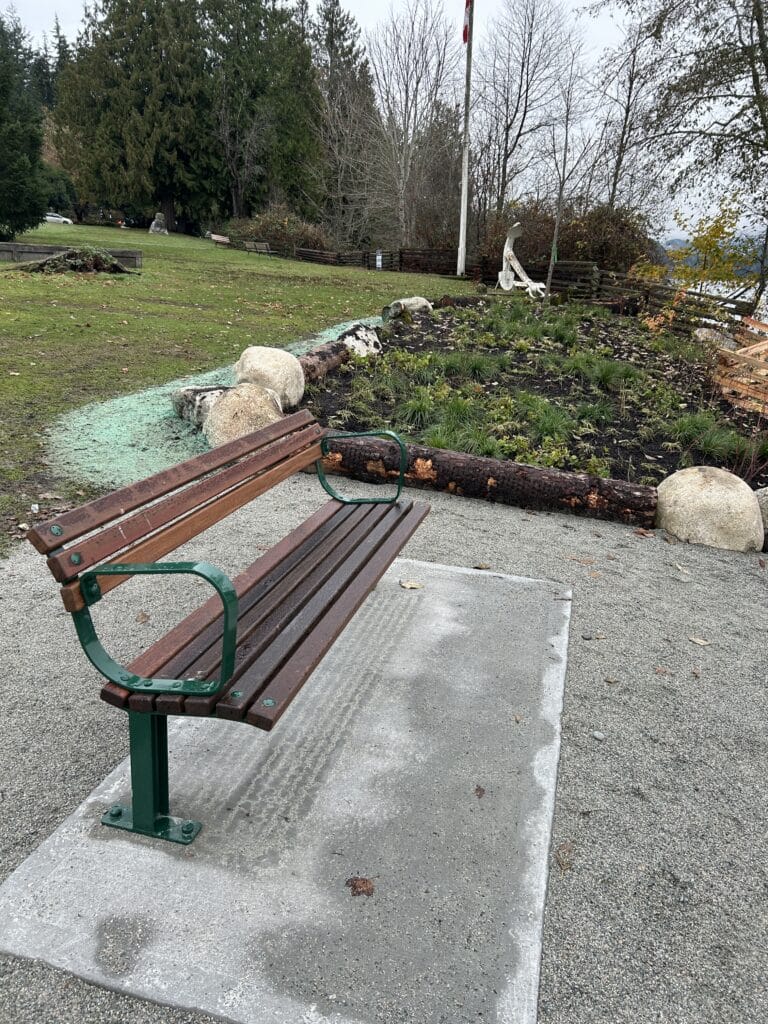
This fall saw the completion of the upland portion of the project. Perhaps the most exciting feature is a new picnic shelter, located between the boat launch and Wally’s Burgers, which features səlilwətaɬ red posts and yellow cedar beams. The picnic shelter is connected to the accessibleparking spots and the beach via a new gravel pathway.
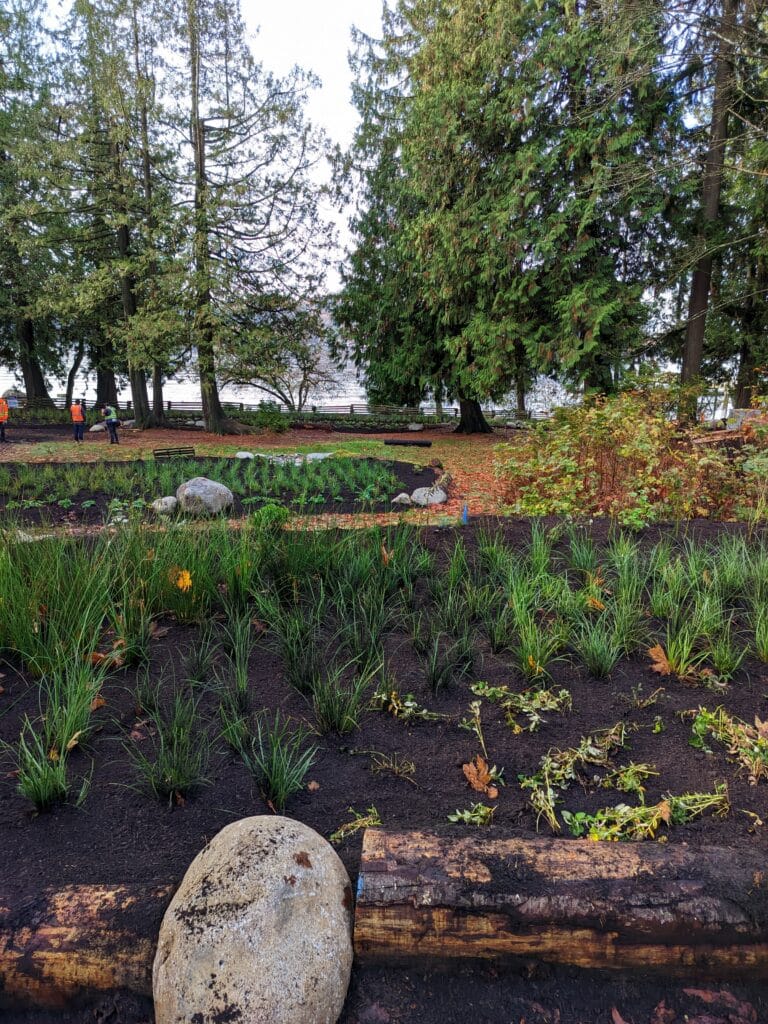
In place of the old picnic shelter, and the lawn area above it, is a 3-tiered rain garden system. These gardens will capture rainwater runoff from the upper parking lots and prevent pollutants from entering səlilwət (Burrard Inlet) by trapping them in the soil and plants.
Two large patches of native plants were also added at Roche Point to stabilize the bank. Paired with split rail fencing, visitors will be guided to designated beach access points toavoid tramplingsensitive archaeological and ecological areas.
To the east, the pathway from the Takaya Tours Paddling Centre was repaved and widened to make it easier for paddlers to bring their vessels down to the beach.
Beach Nourishment
səlilwət has been starved of natural sources of sediment since colonial development, including the damming and hardening of many surrounding creeks and rivers. Along with increased boat traffic and sea level rise, lack of sediment inputs is causing the shoreline at Whey-ah-Wichen to erode.
To address this, the bulk of this project’s budget has gone towards nourishing the beaches of Whey-ah-Wichen by adding sediment and building small headlands to retain it. The project team was able to source a portion of the required material through beneficial reuse of locally dredged sediment otherwise destined for disposal at sea. TWN worked with Environment and Climate Change Canada through our Agreement on Collaborative Decision Making, and with the proponent responsible for the dredging,to coordinate the movement of material up the inlet to Whey-ah-Wichen.
The first phase of beach nourishment began in mid-November and will conclude in February 2026 with a few weeks break over the holidays. You can expect to see barges bringing large quantities of sediment to the beach, large machinery moving it around, and fencing to keep visitors away from worksite hazards. A second phase of work is anticipated to begin fall 2026.
While some parts of the beach won’t be accessible while this work is happening, the park, boat launch and most of the parking areas will remain open.
Gordon Kris Dick is a səlilwətaɬ (Tsleil-Waututh) mixed-media artist, centering his craft around themes of healing, resilience, connection, and hope. Presented in collaboration with the səlilwətaɬ (Tsleil-Waututh) Nation, Dick’s selected work blends Japanese anime-style art with Coast Salish influences to connote balance, community, and the guidance of ancestors.
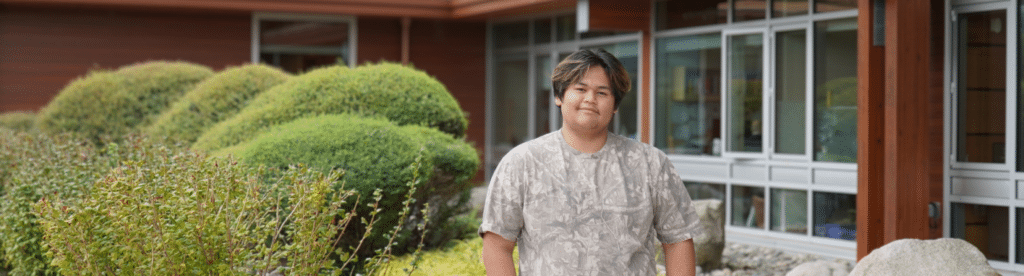
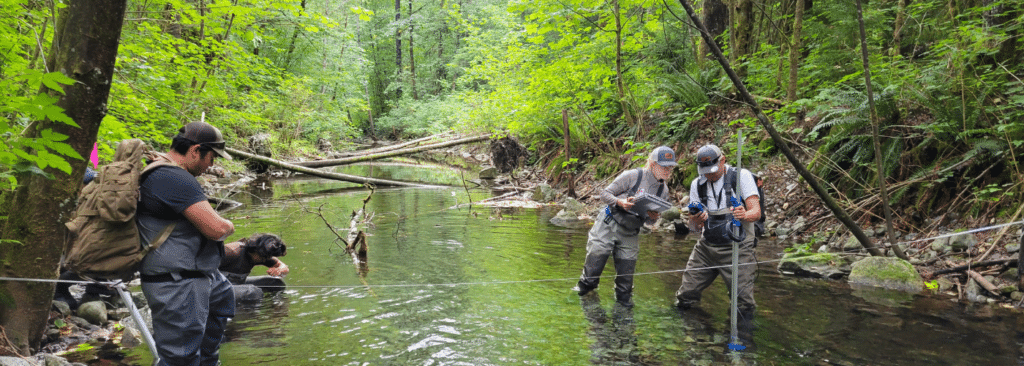
After moving away from the Tsleil-Waututh Nation reserve in 2024, Jeffrey Hernandez was looking for an opportunity to reconnect with the lands and waters of his traditional territory through boots-on-the-ground stewardship work.
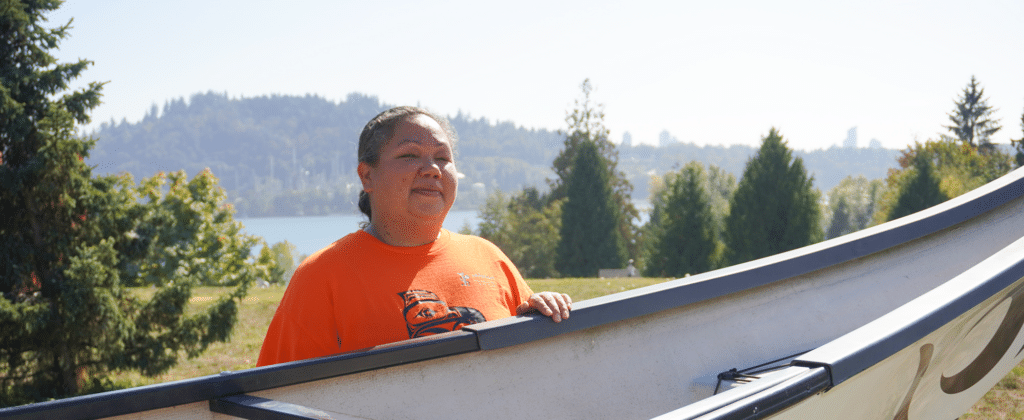
In her feature for the North Shore News, Michelle George, Deputy Director of Tsleil-Waututh Nation’s Language, Culture, and Protocol Department, reflects on the lasting intergenerational impacts of Residential Schools and the role that language, culture, and community play in healing journeys.
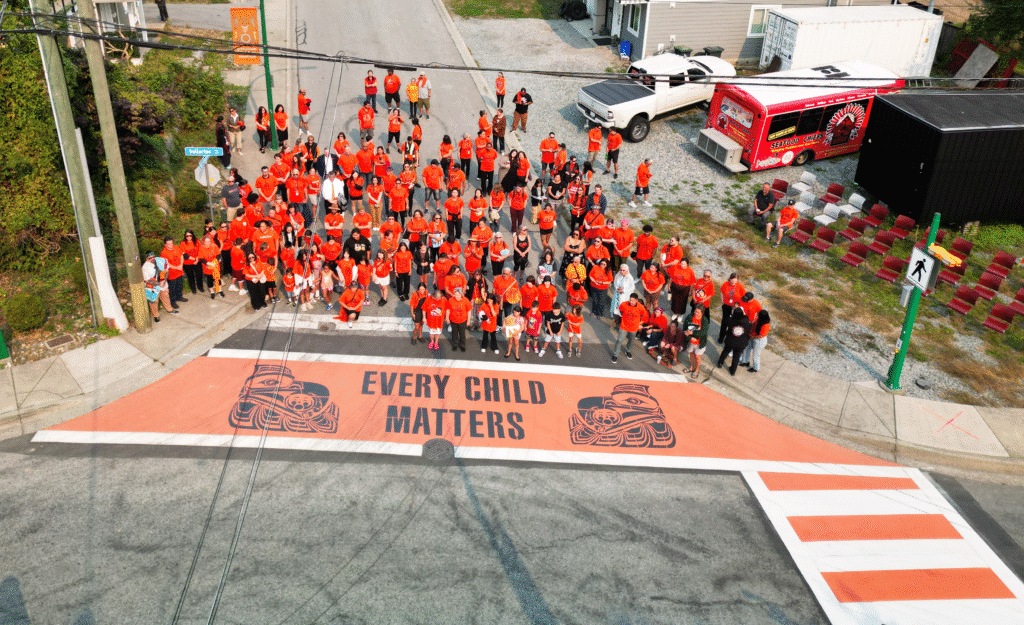
This Orange Shirt Day (National Truth and Reconciliation Day), we are uplifting one another and sharing resources on raising awareness and demonstrating allyship with Indigenous communities.
A new technical report finds that salmon rely on a diverse network of habitats across xʔəl̓ilwətaʔɬ (the Indian River Watershed), with different habitat types providing important functions at different stages of their life cycle.