Transplanting cə́ləm (eelgrass) to Restore Ecosystems in Burrard Inlet 

Transplanting cə́ləm (eelgrass) to Restore Ecosystems in Burrard Inlet 

News & UpdatesTransplanting cə́ləm (eelgrass) to Restore Ecosystems in Burrard Inlet 

Transplanting cə́ləm (eelgrass) to Restore Ecosystems in Burrard Inlet 

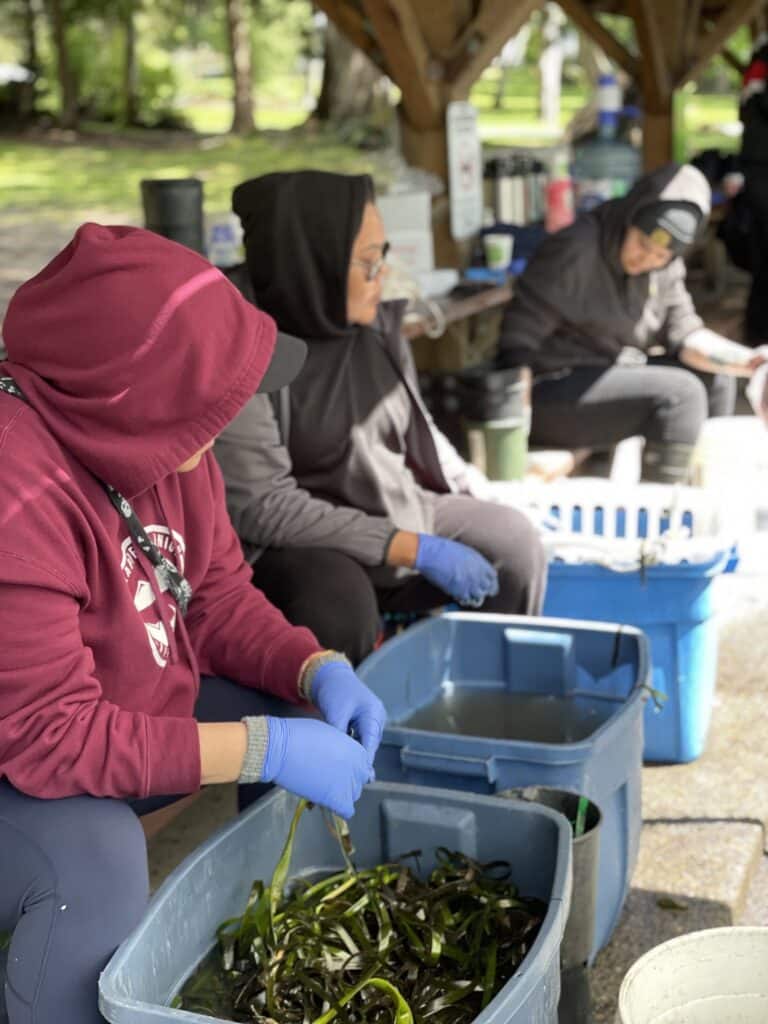
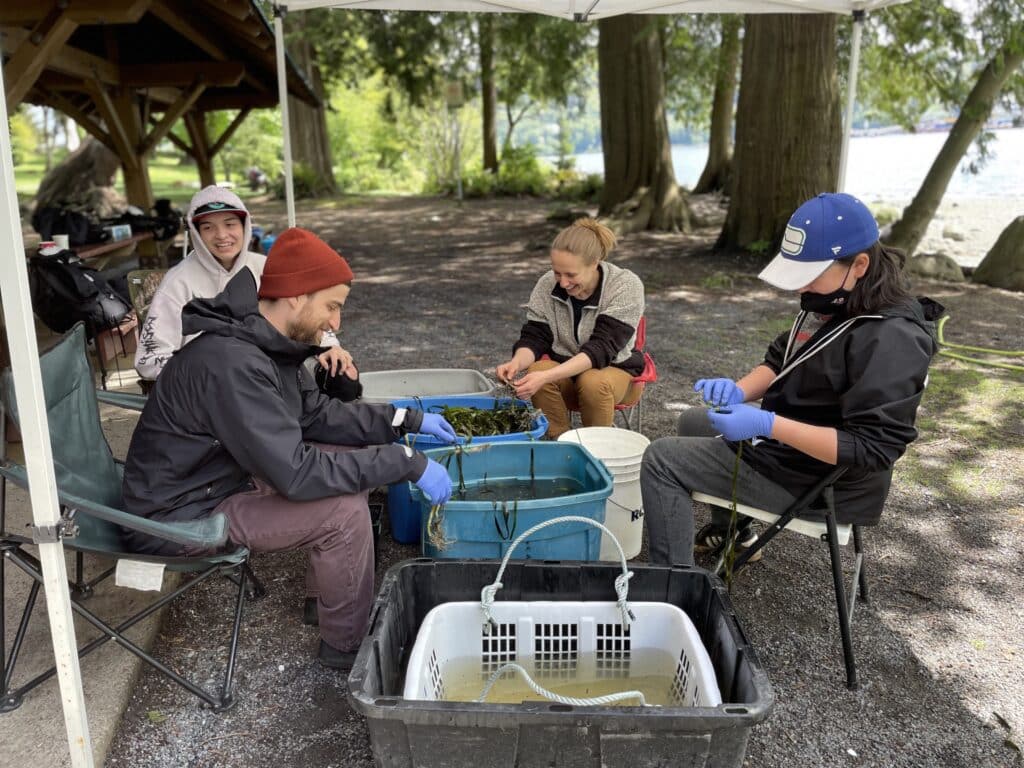
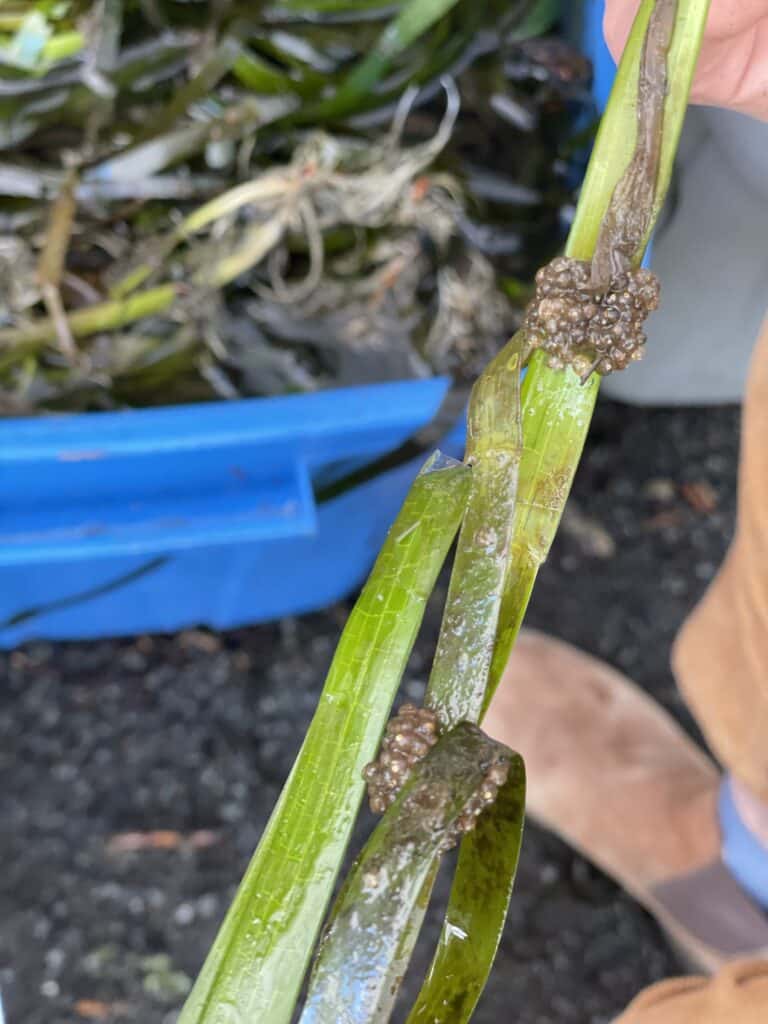
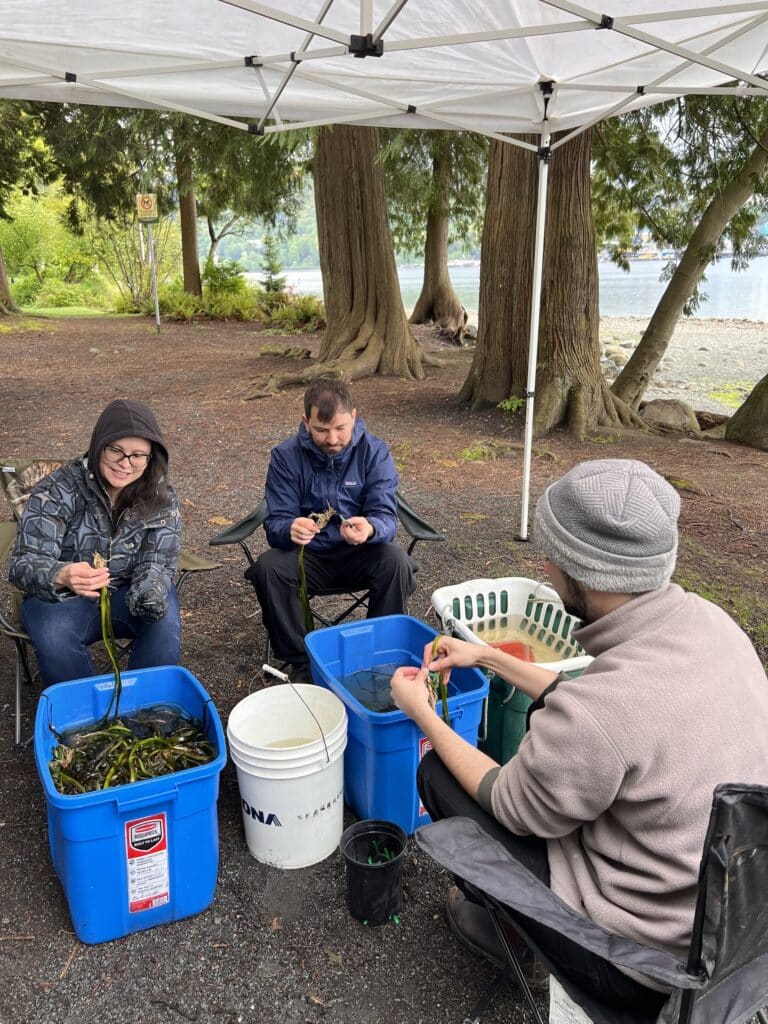
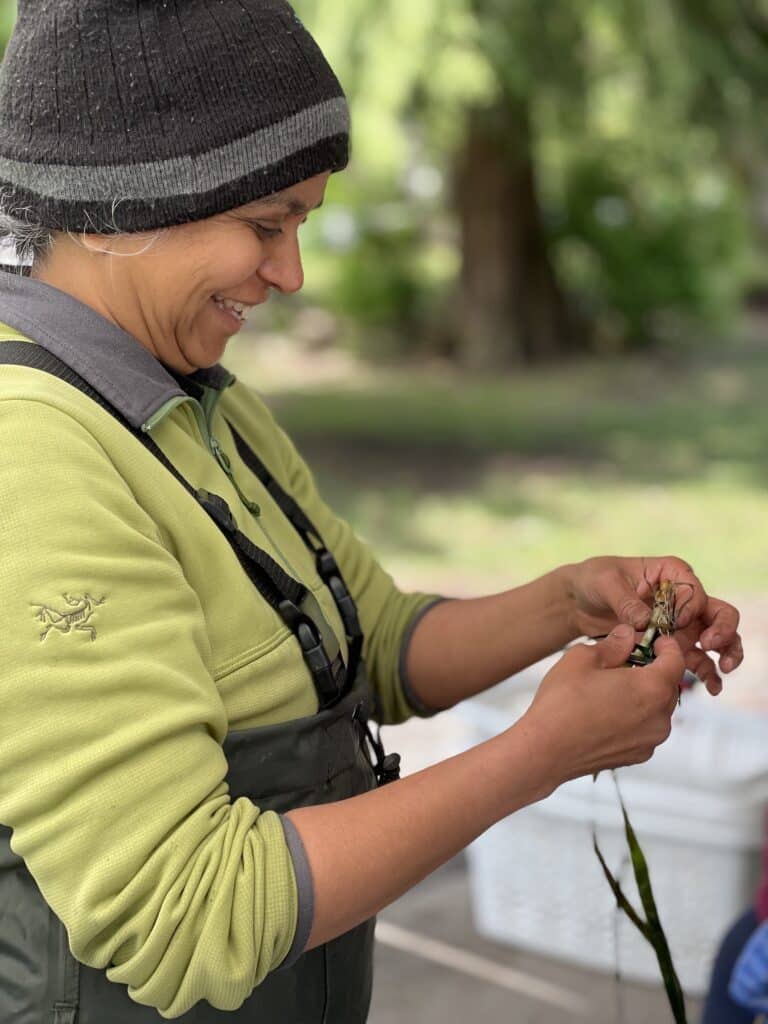
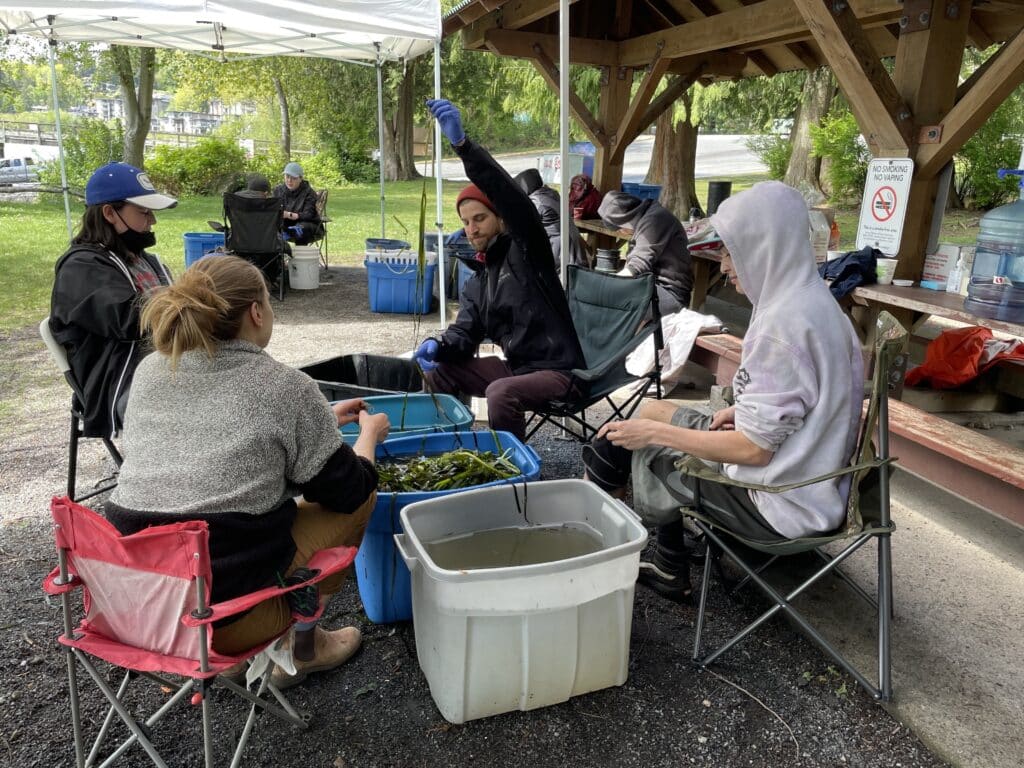
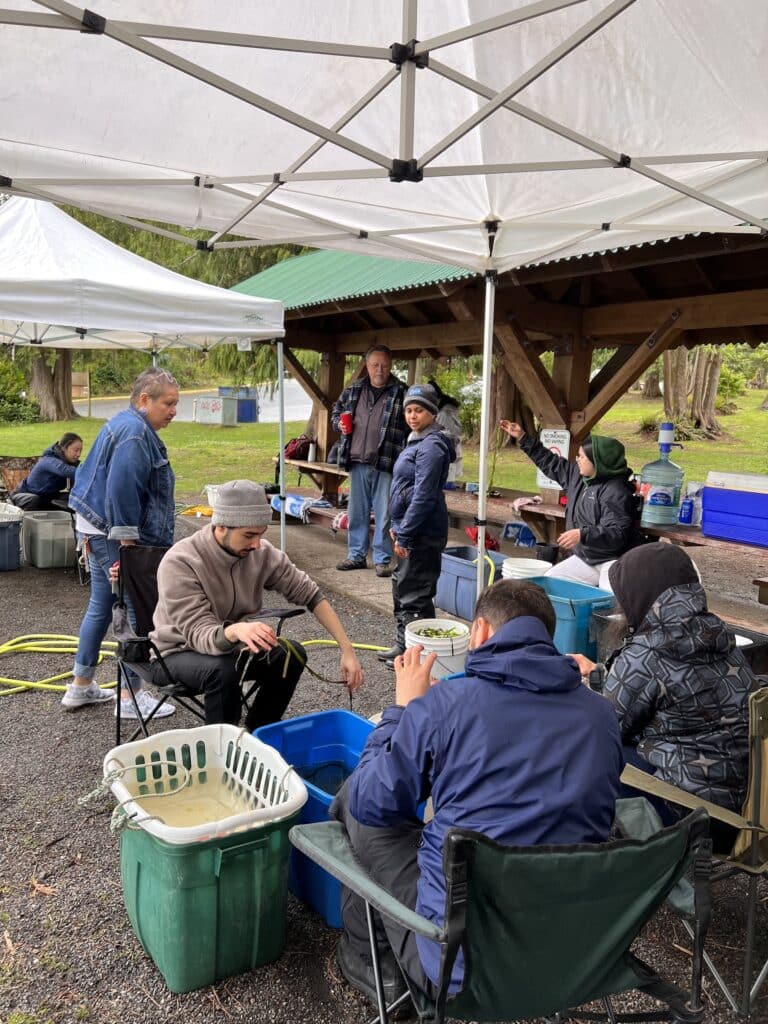
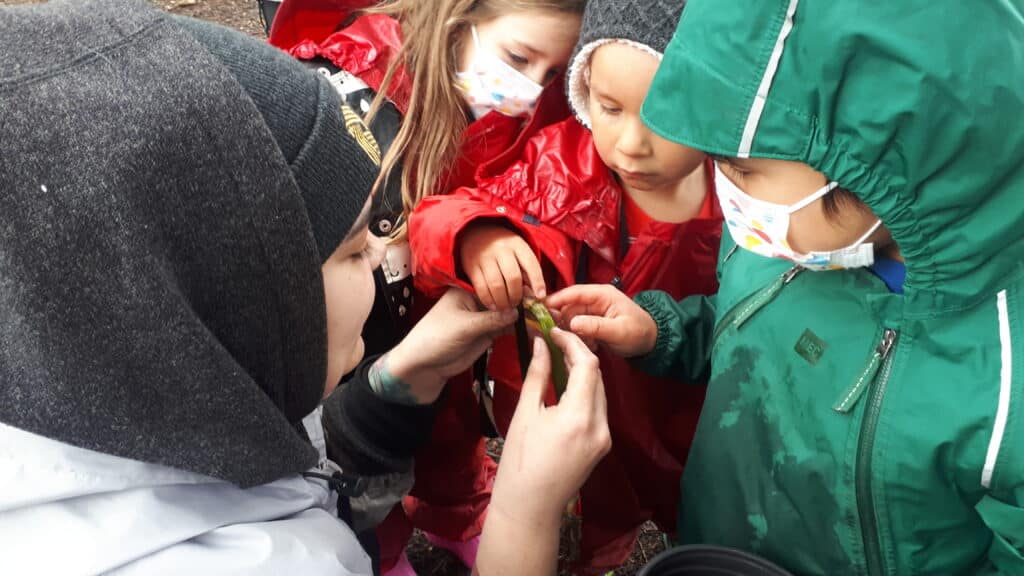
On May 10 & 11, 2022, Tsleil-Waututh Nation Staff, Community, and School students came together to help prep and tie cə́ləm (eelgrass) shoots for transplant.

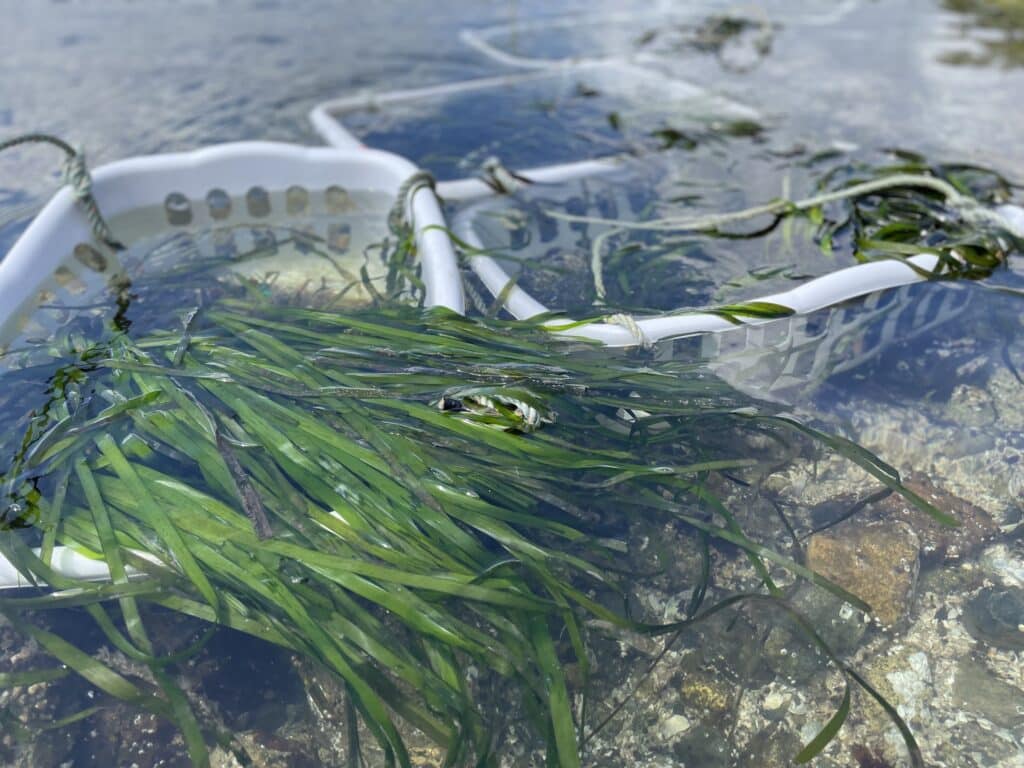
cə́ləm (eelgrass) is a flowering plant that grows in shallow, sheltered areas of the ocean and is important habitat for fish, crabs and other animals. There have been many traditional uses of eelgrass by First Nations, including as food. 

From the tied shoots, divers were able to transplant over 2000 cə́ləm (eelgrass) on the shores near “Cates Landing”, close to Whey-ah-wichen. Through this, we are supporting marine ecosystems to restore habitat, and also helping to buffer waves, stabilize the shoreline, and provide oxygen for the environment.

Soon after, the divers saw lots of horse clams throughout the transplant site, as well as lots of Dungeness crabs and some red rock crabs. So, our community and staff have contributed to immediate habitat improvement!

This restoration work is part of a partnership project by Tsleil-Waututh Nation and SeaChange Marine Conservation Society

See some photos from the on-shore work here:
Latest Articles

A new technical report finds that salmon rely on a diverse network of habitats across xʔəl̓ilwətaʔɬ (the Indian River Watershed), with different habitat types providing important functions at different stages of their life cycle.
Metal artwork featuring an orca by father-daughter artist team Chris Overes, a Tsleil-Waututh Member, and his daughter Tamia Overes was selected by FIFA Canada as gifts for FIFA World Cup 2026™ VVIP (Very Very Important) guests who came to town for the World Cup in Vancouver this past June and July.
səlilwətaɬ (Tsleil-Waututh Nation) has created a new data dashboard to visualize water quality information from across səlilwət (Burrard Inlet). Contamination has left səlilwət largely unable to support səlilwətaɬ needs and ways of life. Around 700 contaminants have been detected in the Inlet, posing risks to shared water values, including human consumption of seafood, cultural practices, recreation, aquatic life, and wildlife. 
On July 8, 2026, Tsleil-Waututh Nation (TWN) filed a judicial review to overturn the Vancouver Fraser Port Authority’s (VFPA) permit allowing the VFPA to dredge tsa-ah-nah (Second Narrows area) of səlilwət (Burrard Inlet).
Read about the Treaty, Lands & Resources (TLR) Department’s efforts to monitor, evaluate, and steward herring.
səlilwətaɬ has recently released another water quality report for səlilwət (Burrard Inlet), entitled Contaminant Heat Maps.