səlilwətaɬ (Tsleil-Waututh Nation) and UBC researchers have published groundbreaking research demonstrating severe colonial impacts that have devastated Burrard Inlet and səlilwətaɬ rights since European contact.
This newly published ecosystem model indicates that a handful of impacts alone, including colonial fishing pressure, habitat destruction, and the pollution-driven clam harvesting closure, devastated the amount of harvestable traditional foods from Burrard Inlet by 88% from 1750-1980. This infringes on səlilwətaɬ’s inherent and constitutionally protected rights.
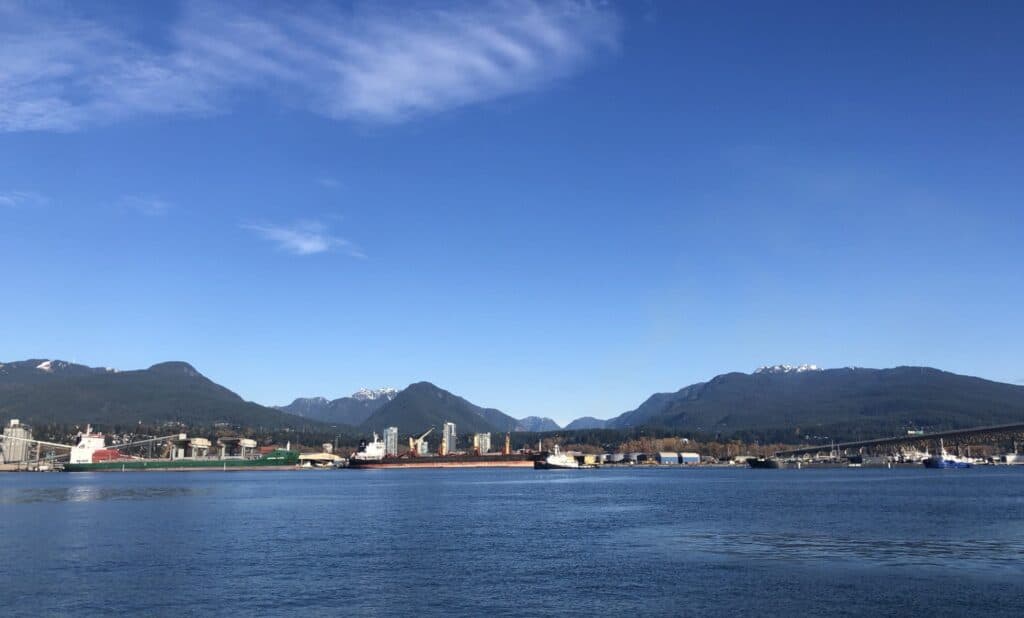
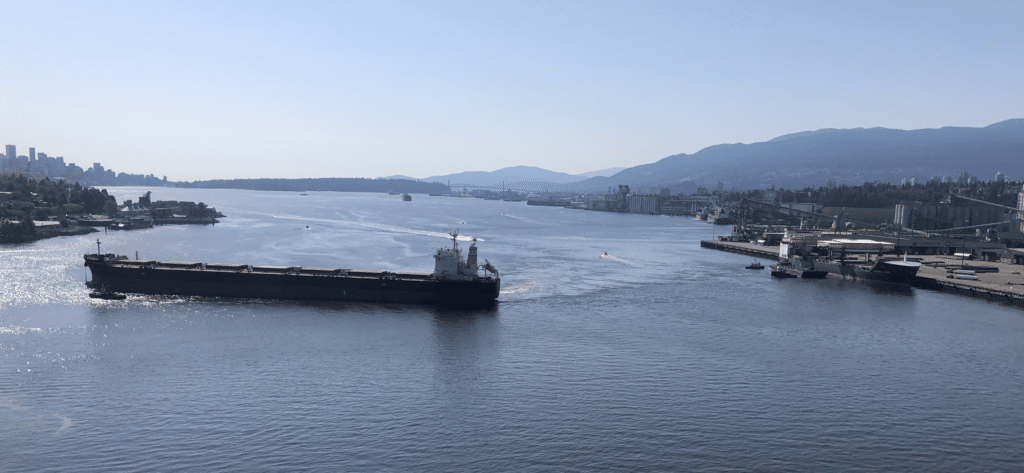
Our creation story tells how our very first səlilwətaɬ grandmother was born out of these waters. Our Elders had a saying about Burrard Inlet: “when the tide went out, the table was set”. But today, the general public sees the inlet as an urbanized industrial port and a wastewater dumping ground, not a place to harvest healthy, wild foods. We must fight to counter this viewpoint, protect our rights and culture, and persistently remind everyone that the inlet is our refrigerator, pantry and dinner table before it is an industrial port and urban waterway.
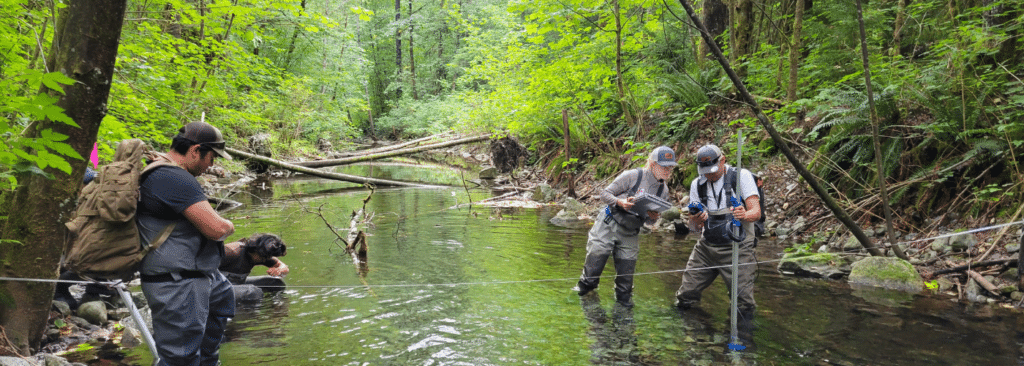
What we did: This interdisciplinary research explored the impacts of cumulative effects of colonization on Burrard Inlet and səlilwətaɬ people. Relying on archaeology, historical ecology, archival records, ecological data and səlilwətaɬ Knowledge, we developed an ecosystem model to look at the effects of selected impacts of colonial development on səlilwətaɬ people and the amount of harvestable food in the Burrard Inlet ecosystem from 1750 to 1980. The colonial impacts included in the model were: 1) smallpox epidemics; 2) settler fishing pressure; 3) lost shoreline and intertidal habitats; 4) and the pollution-driven bivalve (clams, mussels and oysters) harvest closure.
What we found: Before European contact, the model was stable with a səlilwətaɬ population of 10,000 people, indicating a sustainable relationship between səlilwətaɬ and the inlet. When the first smallpox epidemic devastated səlilwətaɬ people in 1782, populations of many food sources, such as salmon, herring, clams and birds, suddenly increased, as səlilwətaɬ harvesting pressure drastically decreased. As settler fishing pressure and habitat loss mounted from the mid 1800s through the 20th century, and bivalve harvesting was closed in 1972, the harvestable biomass of virtually every important food to səlilwətaɬ crashed, often by 100%.
The model estimates that traditional foods available to səlilwətaɬ from Burrard Inlet decreased from 42.7 tonnes per km2 in 1750 to 5.1 tonnes per km2 in 1980 due to three impacts alone: settler fishing, habitat loss, and the bivalve harvest closure. This translates to a decreased carrying capacity in Burrard Inlet of 88%. Importantly, the model does not include other impacts such as marine shipping and vessel traffic, upland development, impacts of oil spills, regulatory limitations on Indigenous harvesting, genocidal programs such as residential schools, or innumerable other impacts on səlilwətaɬ people, rights and the environment. If these other impacts were taken into account, the decrease in carrying capacity would be significantly greater.
Harvesting then and now: The model estimates that in 1750, 42 years before European contact, səlilwətaɬ harvested 2,216 tonnes of food from Burrard Inlet every year. This included 740 tonnes of clams, 276 tonnes of herring, 203 tonnes of chum salmon, 190 tonnes of birds, and 170 tonnes of crabs. These numbers may appear fantastical compared to current conditions, but are supported by archaeology, historical ecology, archival records, ecological data and səlilwətaɬ Knowledge.
Today, historical and ongoing colonial impacts have left səlilwətaɬ with no meaningful ability to harvest many important species from Burrard Inlet. For example, herring, ooligan, smelt, sturgeon and halibut were all extirpated from Burrard Inlet generations ago, and their combined annual harvestable biomass decreased from over 444 tonnes to zero. Some herring populations have returned to Burrard Inlet in the last decade, but the community harvest in 2024 was less than 5kg. Clam harvesting in the entire inlet was closed in 1972, and while səlilwətaɬ has worked extensively to reopen a single beach for a small annual clam harvest, this is usually less than 30kg of clams for the entire community per year. Further, in 2024, only two səlilwətaɬ members reported hunting birds at the north end of Indian Arm. While the community’s ongoing efforts to harvest in spite of the history of colonial impacts are commendable and incredibly important, səlilwətaɬ’s harvest of these species and more has decreased by over 99.99%.
Why this is important: səlilwətaɬ’s way of life relies on a healthy inlet. This research adds to the plethora of evidence that the inlet is incredibly damaged and that decisions made by federal and provincial governments regarding fisheries management, habitat destruction, and pollution, among other impacts, have left səlilwətaɬ with no meaningful ability to practice harvesting rights for innumerable traditional foods. Moreover, Canada has a constitutional obligation to uphold Indigenous rights and way of life, and Canadian courts are clear that “when looking at infringement, the governmental scheme can be considered as a whole, as can the history of development on the lands and the historical use and allocation of the resources and the impacts this has caused.” ((Yahey v. British Columbia, 2021, BCSC 1287). Within this context, the history of cumulative effects in Burrard Inlet clearly infringe upon səlilwətaɬ rights under Canadian law, and is a legal risk to Canada.
From a legal perspective, as more impacts build up in a First Nation’s territory, development becomes ever harder to justify under Canadian law, since the Crown must still fulfill its constitutional obligations to Indigenous Peoples. Simply put, regions that wholly sacrifice Indigenous rights in favour of development are illegal in Canada. When Crown regulators and decision-makers ignore this obligation and endlessly approve impacts, courts can take away the Crown’s ability to authorize new development.
This was well exemplified in 2021 when the BC Supreme Court ruled that BC could not continue to authorize any industrial activities that infringe Blueberry River First Nations’ constitutional rights until they addressed the First Nation’s concerns. The Province and Blueberry River First Nations subsequently negotiated an agreement that included ecosystem-based management, limitations on new oil and gas development, protection of 650,000 hectares of land, opportunities for revenue sharing with industry and government, and hundreds of millions of dollars in restoration funding and financial payments.
Projects such as the Trans Mountain Expansion Project, which səlilwətaɬ has stood firmly against since the outset, the proposed dredging of Burrard Inlet, and the recent fast-tracking bills pose serious concerns to səlilwətaɬ. Our Nation is not anti-development. We support a sustainable economy, but Canada cannot bypass our inherent and constitutionally protected rights and ignore the global climate crisis any longer.
Steps towards a future together: To protect and restore the health of the Inlet and address significant legal risks to Canada, we need the Crown to enter into joint decision-making with səlilwətaɬ to review and authorize Crown activities that may further impact our rights in Burrard Inlet as a shared path forward. This will ensure a future where səlilwətaɬ and our neighbours can thrive and work together.
The article, Unsettling the record: modelling the devastating cumulative effects of selected environmental stressors and loss of human life caused by colonization in Burrard Inlet, Canada, was published in Philosophical Transactions of the Royal Society B. The authors of the study include: Meaghan Efford*; Spencer Taft+; Jesse Morin*+; Micheal George+; Michelle George+; Camilla Speller*; Villy Christensen* (*University of British Columbia affiliation; +Tsleil-Waututh Nation affiliation).
Contact: Should you be interested in speaking to our səlilwətaɬ spokespersons, please contact us at communications@twnation.ca.
Other information regarding cumulative effects in Tsleil-Waututh territory:
- Reconstructing TWN’s precontact diet of food harvested from Burrard Inlet
- TWN’s sustainable salmon harvest over millennia from Burrard Inlet
- The collapse of herring, smelt and ooligan in Burrard Inlet
- The loss of salmon in TWN territory
- Impacts of contamination on TWN harvesting practices
- Intertidal and subtidal habitat loss in Burrard Inlet from 1792 to 2020
- Archival research examining historical ecology in Burrard Inlet
- Analysis of vessel traffic in Burrard Inlet
- Impacts of vessel-generated waves in Burrard Inlet
Other relevant resources: