News & UpdatesExplore Our New Water Quality Data Dashboard
Explore Our New Water Quality Data Dashboard
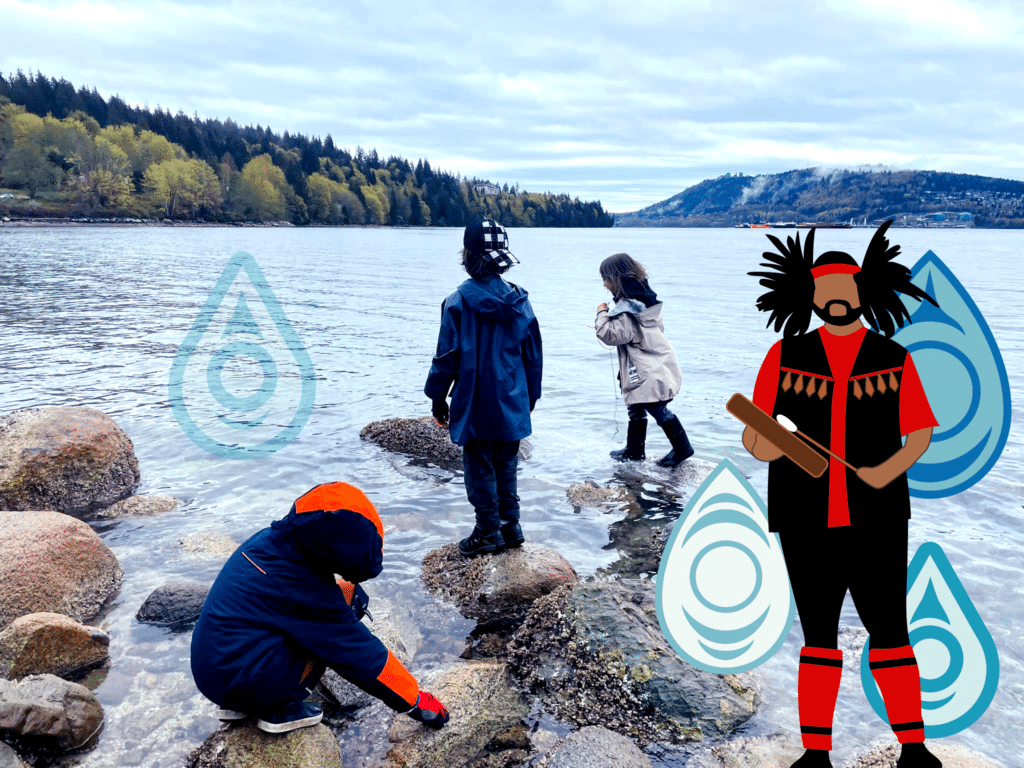
Artwork by Tsleil-Waututh Artist Olivia George
səlilwətaɬ (Tsleil-Waututh Nation) has created a new data dashboard to visualize water quality information from across səlilwət (Burrard Inlet). Contamination has left səlilwət largely unable to support səlilwətaɬ needs and ways of life. Around 700 contaminants have been detected in the Inlet, posing risks to shared water values, including human consumption of seafood, cultural practices, recreation, aquatic life, and wildlife.
səlilwətaɬ, in collaboration with the Province of BC, has updated the marine xaɬəmət ct tə səlilwət / Water Quality Objectives for səlilwət (Burrard Inlet). These objectives constitute a water quality policy that defines how clean water, sediment, and animal tissue must be to protect the water values listed above. Individual Water Quality Objectives have been set for metals, poop bacteria, hydrocarbons, persistent organic pollutants, contaminants of emerging concern, and many other parameters. Each objective was set to protect the water value most sensitive to that parameter.
As part of this work, səlilwətaɬ coordinated the first-ever Inlet-wide analysis of existing contaminant data from water, sediment and fish/shellfish tissue. For decades, multiple agencies have monitored water quality in səlilwət; however, this monitoring has been largely uncoordinated and inconsistent. This lack of coordination can obscure water quality trends. Establishing a coordinated monitoring approach will be essential to understanding and improving water quality.
Explore our data dashboard to see how a few example contaminants have compared with Water Quality Objectives across səlilwət.
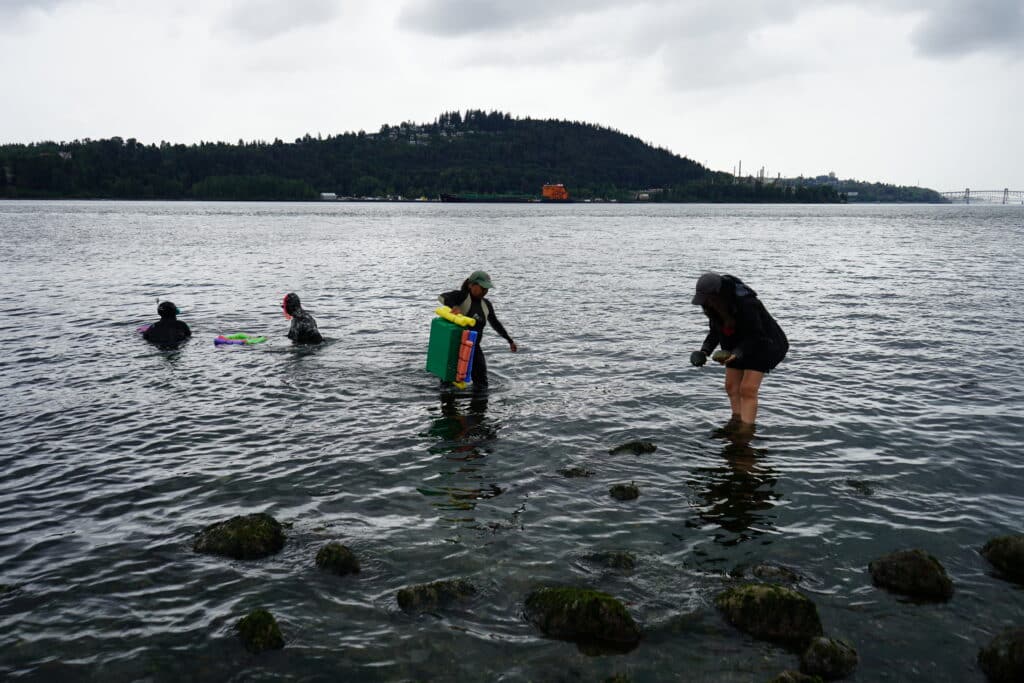
səlilwətaɬ (Tsleil-Waututh Nation)’s Treaty, Lands and Resources (TLR) Department hosted a q̓am̓ (Kelp) Restoration Learning Day for TLR Youth Interns and TWN Youth Garden Interns on August 27, 2026.
Gordon Kris Dick is a səlilwətaɬ (Tsleil-Waututh) mixed-media artist, centering his craft around themes of healing, resilience, connection, and hope. Presented in collaboration with the səlilwətaɬ (Tsleil-Waututh) Nation, Dick’s selected work blends Japanese anime-style art with Coast Salish influences to connote balance, community, and the guidance of ancestors.
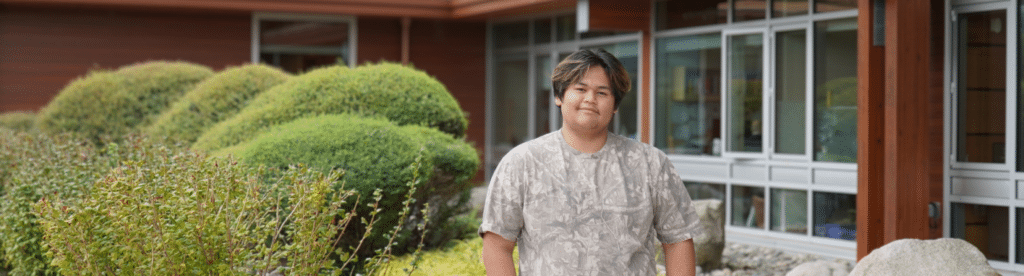
After moving away from the Tsleil-Waututh Nation reserve in 2024, Jeffrey Hernandez was looking for an opportunity to reconnect with the lands and waters of his traditional territory through boots-on-the-ground stewardship work.
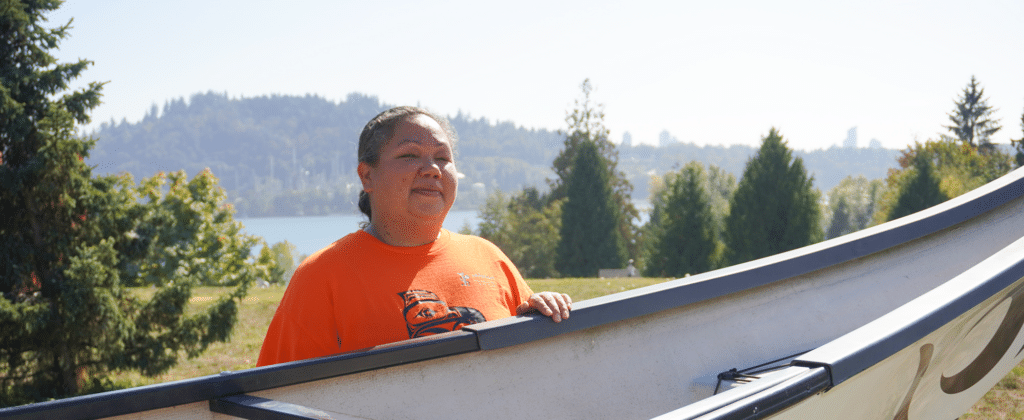
In her feature for the North Shore News, Michelle George, Deputy Director of Tsleil-Waututh Nation’s Language, Culture, and Protocol Department, reflects on the lasting intergenerational impacts of Residential Schools and the role that language, culture, and community play in healing journeys.
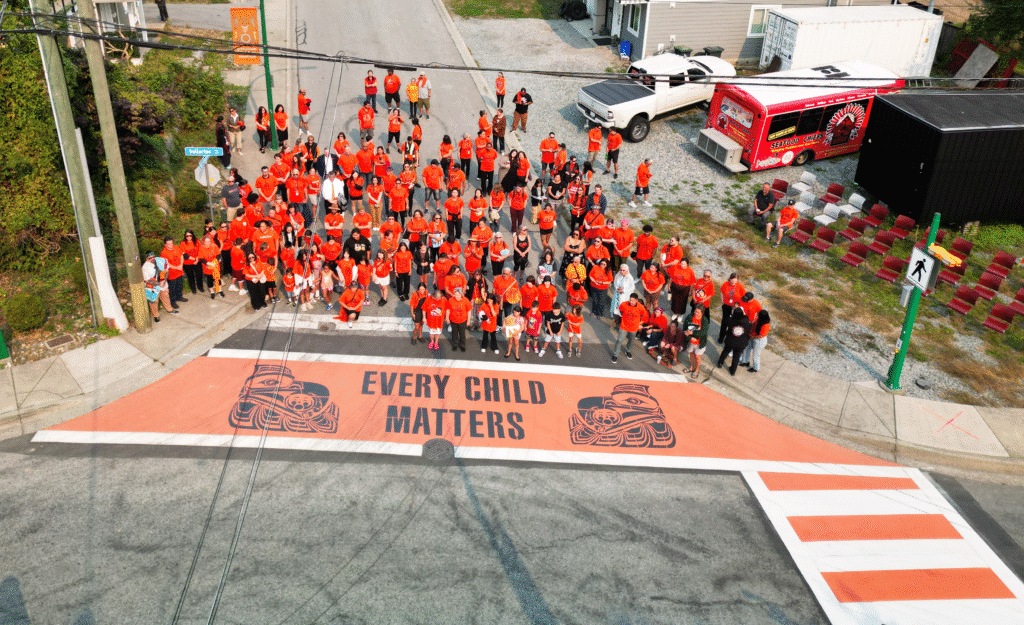
This Orange Shirt Day (National Truth and Reconciliation Day), we are uplifting one another and sharing resources on raising awareness and demonstrating allyship with Indigenous communities.