New research confirms that Tsleil-Waututh Nation has consistently and sustainably fished for chum salmon for 1,200 years longer than the archaeological record had previously demonstrated.
This supports Tsleil-Waututh knowledge and further demonstrates that Tsleil-Waututh people have been sustainably living on and stewarding their traditional territory for longer than Western science may recognize.
Researchers from Tsleil-Waututh Nation and UBC analyzed 245 salmon bones gathered as part of an archaeological dig in the 1960s and 1970s from təmtəmíxʷtən, a large and important site for the Nation located near what many British Columbians now know as Belcarra.
Extension of time
The research builds on a previous study which showed that the Nation sustainably and preferentially fished for chum salmon for 1,300 years, from about 400 BC to 1200.
Using carbon dating on eight new samples, the researchers extended this period of time a further 1,200 years, confirming Tsleil-Waututh ancestors fished for salmon from about 850 BC to 1650.
Old chums
They found that chum salmon were the most commonly fished, and were caught consistently over the entire period. This consistency and the fact that chum are particularly sensitive to overfishing both point to a sustainable chum fishery under Tsleil-Waututh Nation stewardship, says co-author Michelle George.
Lessons to learn
The research points to the lessons to be learned from Tsleil-Waututh Nation stewardship, including around sustainable, selective salmon fisheries that focus not on extraction but on long-term ecosystem health, says first author Meaghan Efford, a doctoral candidate in the UBC Institute for the Oceans and Fisheries.
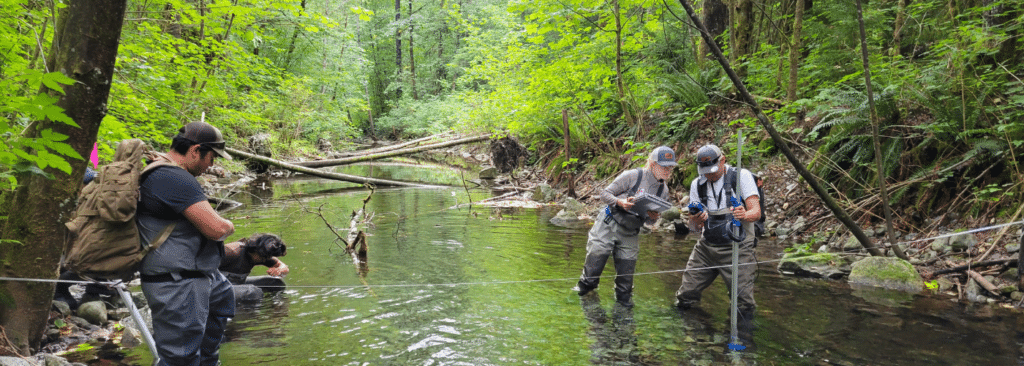
A new technical report finds that salmon rely on a diverse network of habitats across xʔəl̓ilwətaʔɬ (the Indian River Watershed), with different habitat types providing important functions at different stages of their life cycle.
Metal artwork featuring an orca by father-daughter artist team Chris Overes, a Tsleil-Waututh Member, and his daughter Tamia Overes was selected by FIFA Canada as gifts for FIFA World Cup 2026™ VVIP (Very Very Important) guests who came to town for the World Cup in Vancouver this past June and July.
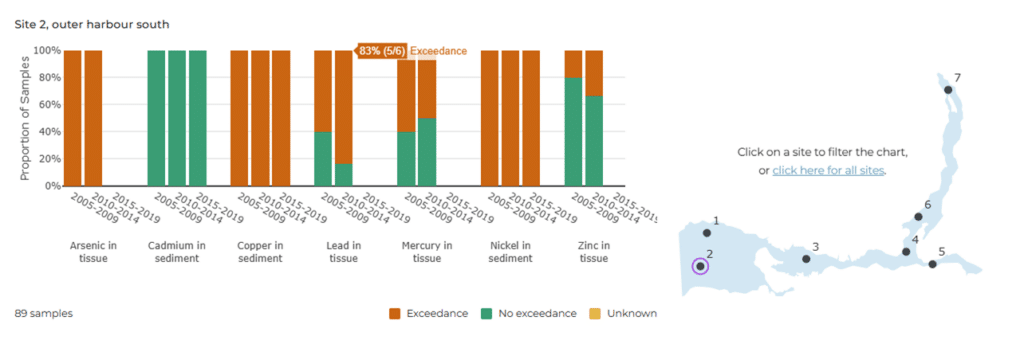
səlilwətaɬ (Tsleil-Waututh Nation) has created a new data dashboard to visualize water quality information from across səlilwət (Burrard Inlet). Contamination has left səlilwət largely unable to support səlilwətaɬ needs and ways of life. Around 700 contaminants have been detected in the Inlet, posing risks to shared water values, including human consumption of seafood, cultural practices, recreation, aquatic life, and wildlife.
On July 8, 2026, Tsleil-Waututh Nation (TWN) filed a judicial review to overturn the Vancouver Fraser Port Authority’s (VFPA) permit allowing the VFPA to dredge tsa-ah-nah (Second Narrows area) of səlilwət (Burrard Inlet).