Transplanting cə́ləm (eelgrass) to Restore Ecosystems in Burrard Inlet 

Transplanting cə́ləm (eelgrass) to Restore Ecosystems in Burrard Inlet 

News & UpdatesTransplanting cə́ləm (eelgrass) to Restore Ecosystems in Burrard Inlet 

Transplanting cə́ləm (eelgrass) to Restore Ecosystems in Burrard Inlet 

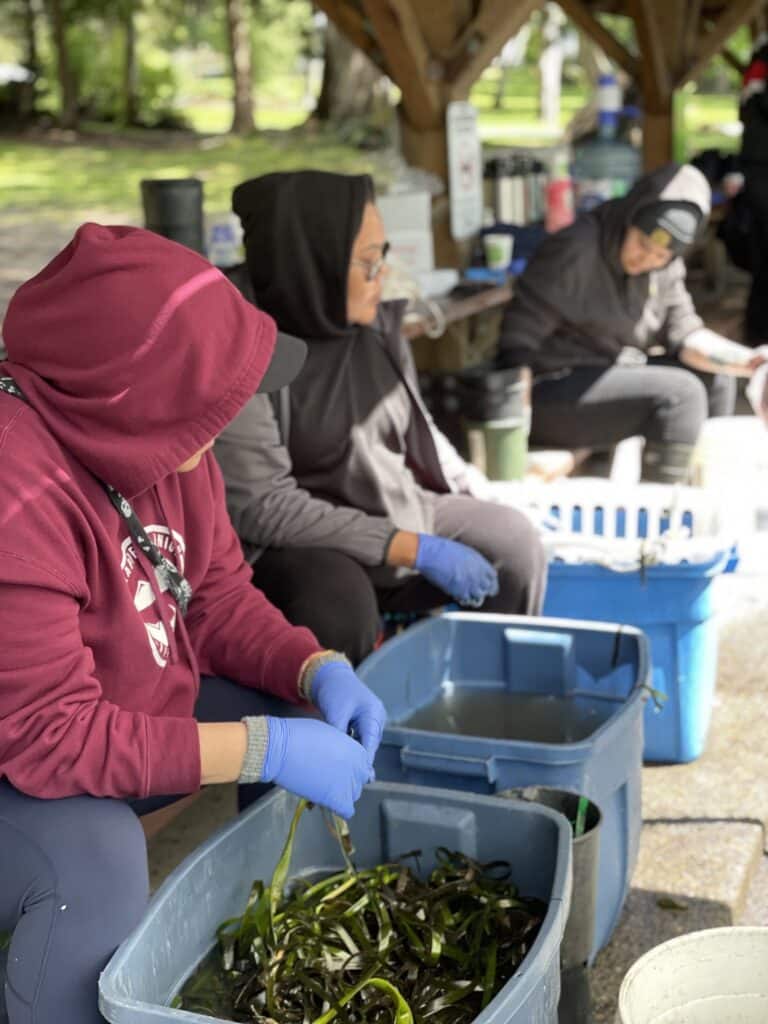
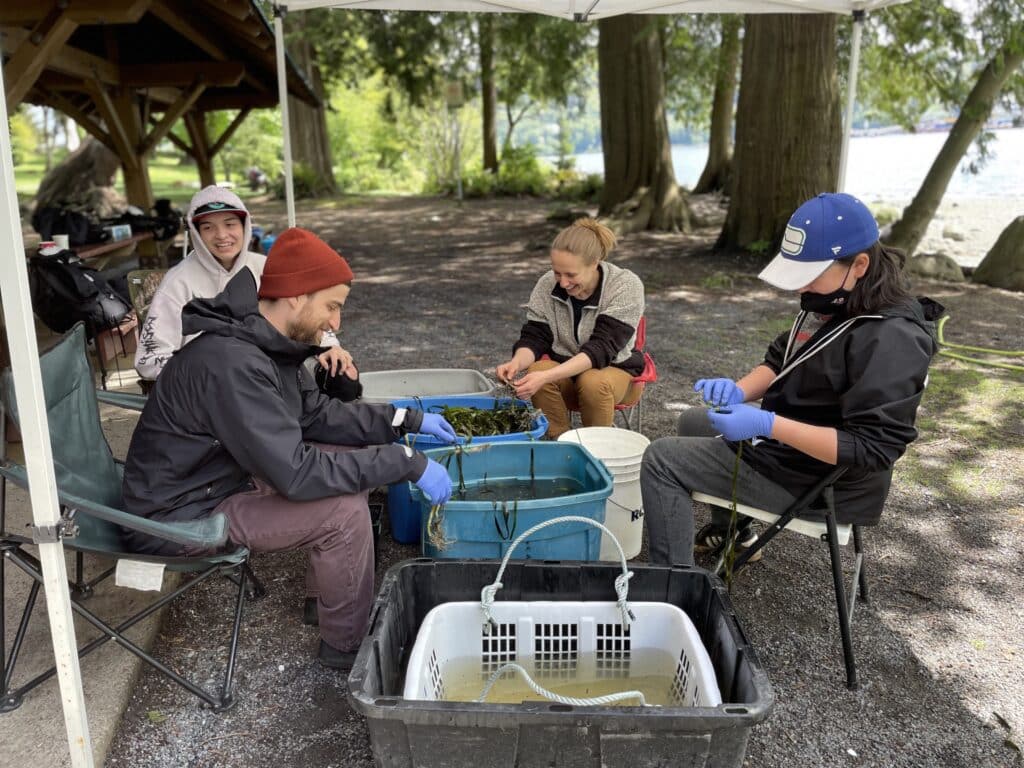
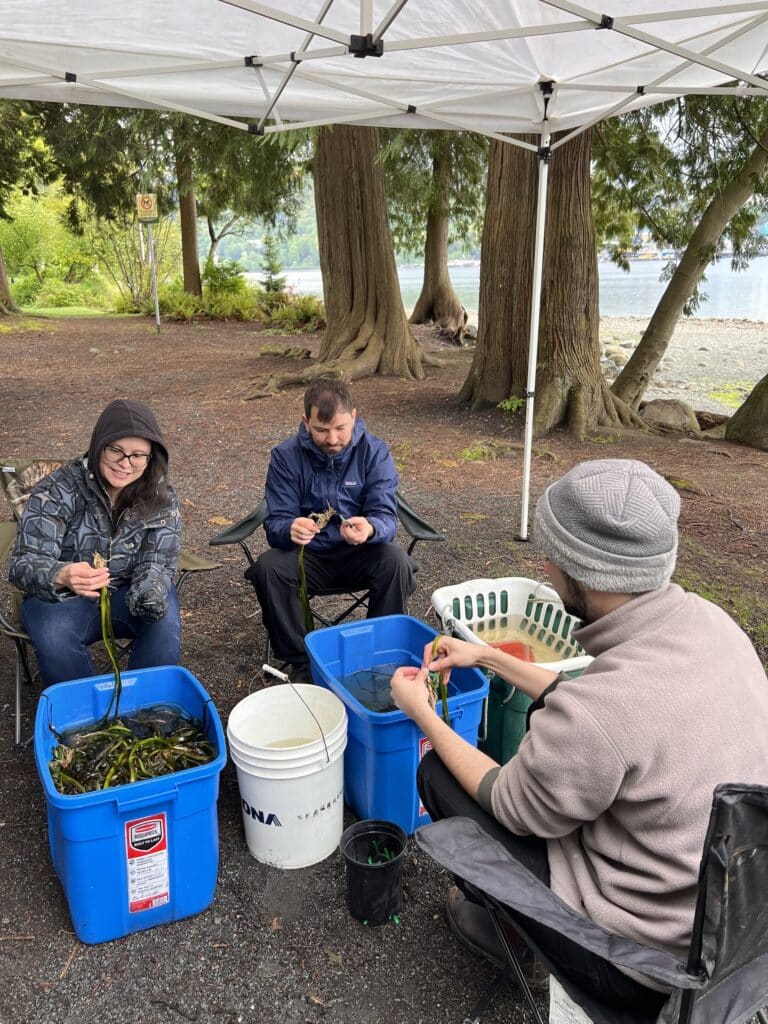
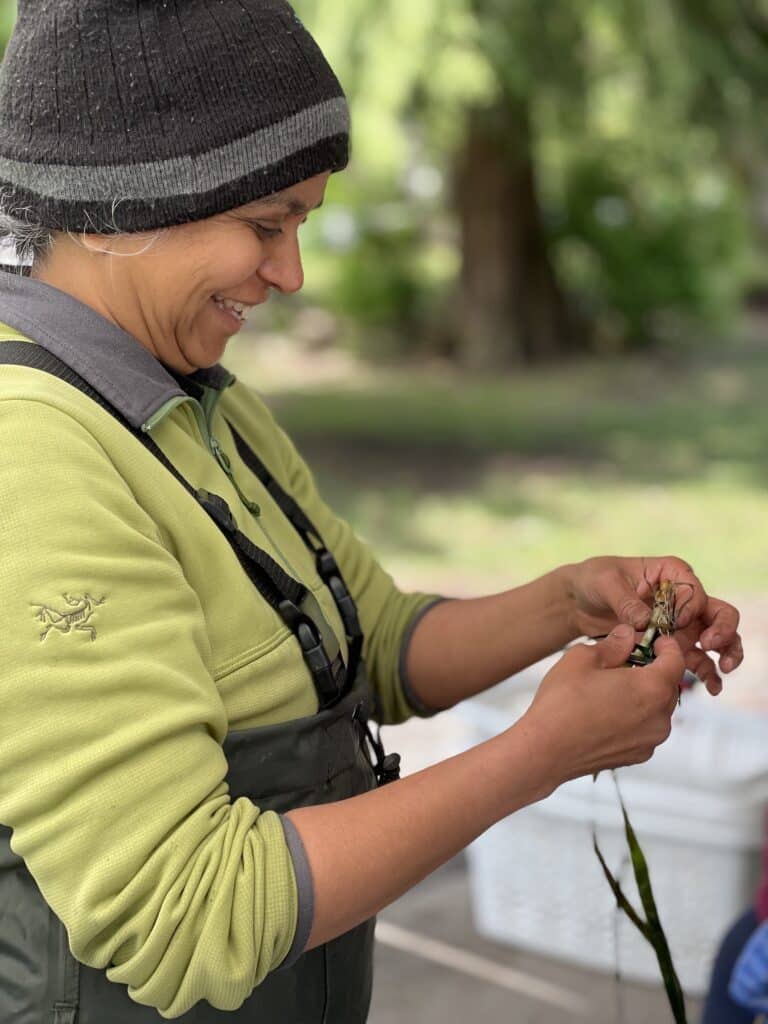
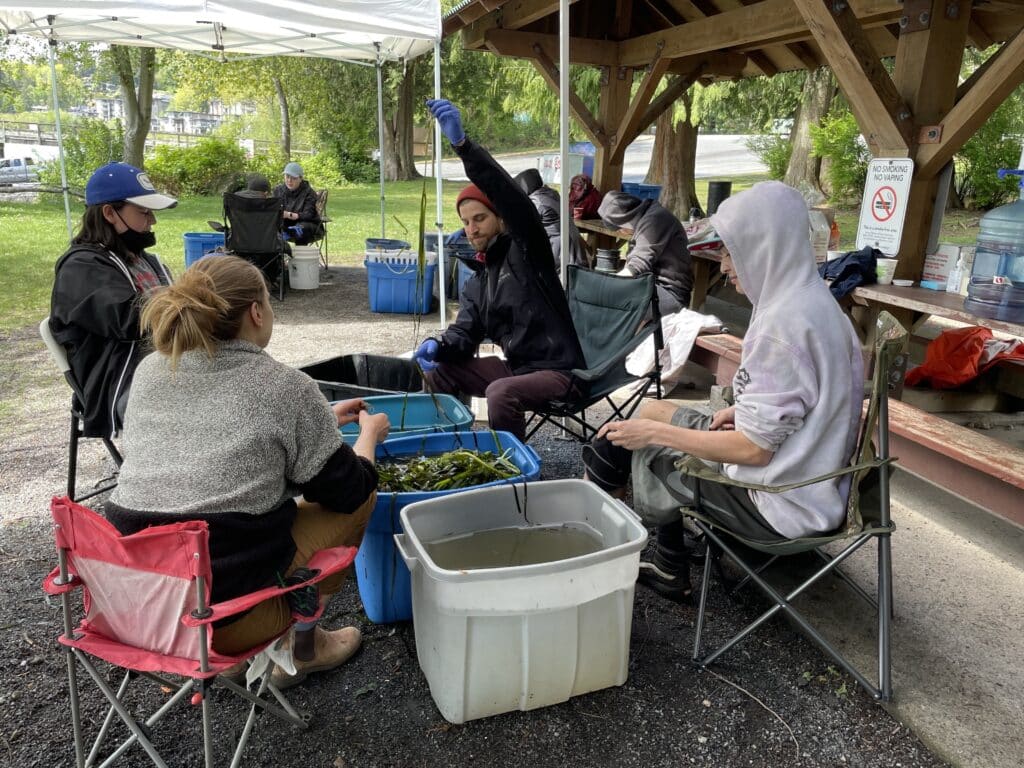
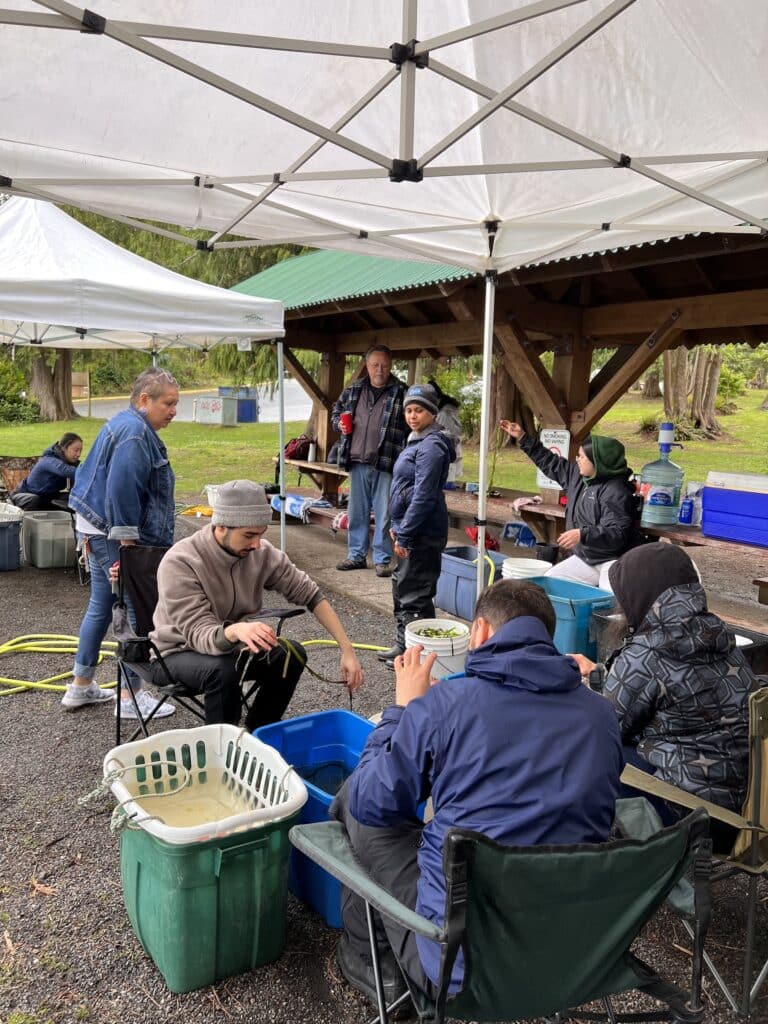
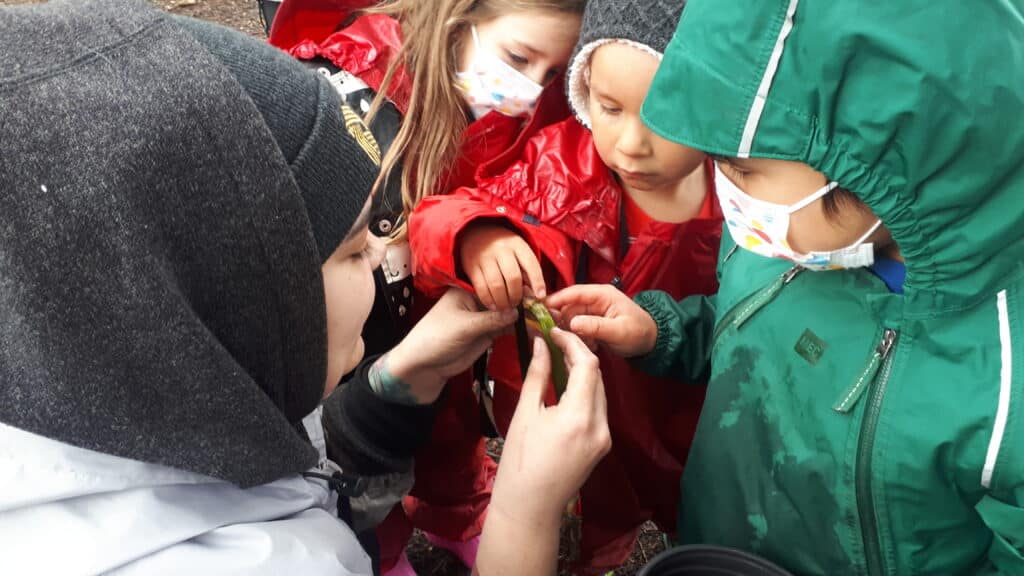
On May 10 & 11, 2022, Tsleil-Waututh Nation Staff, Community, and School students came together to help prep and tie cə́ləm (eelgrass) shoots for transplant.

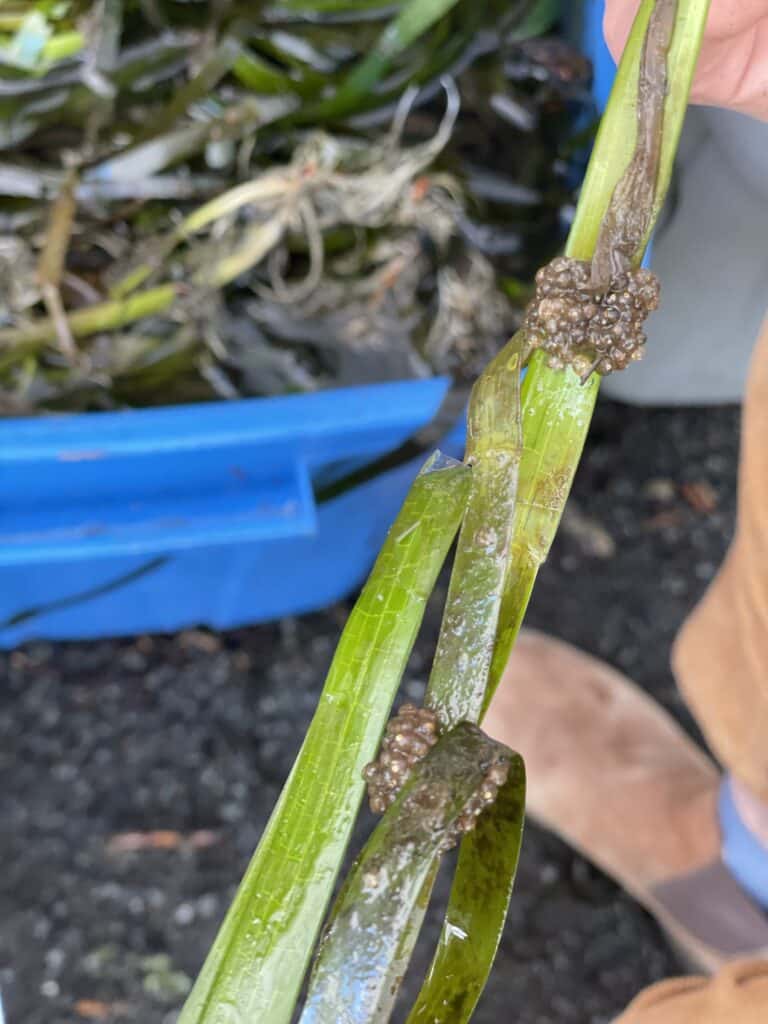
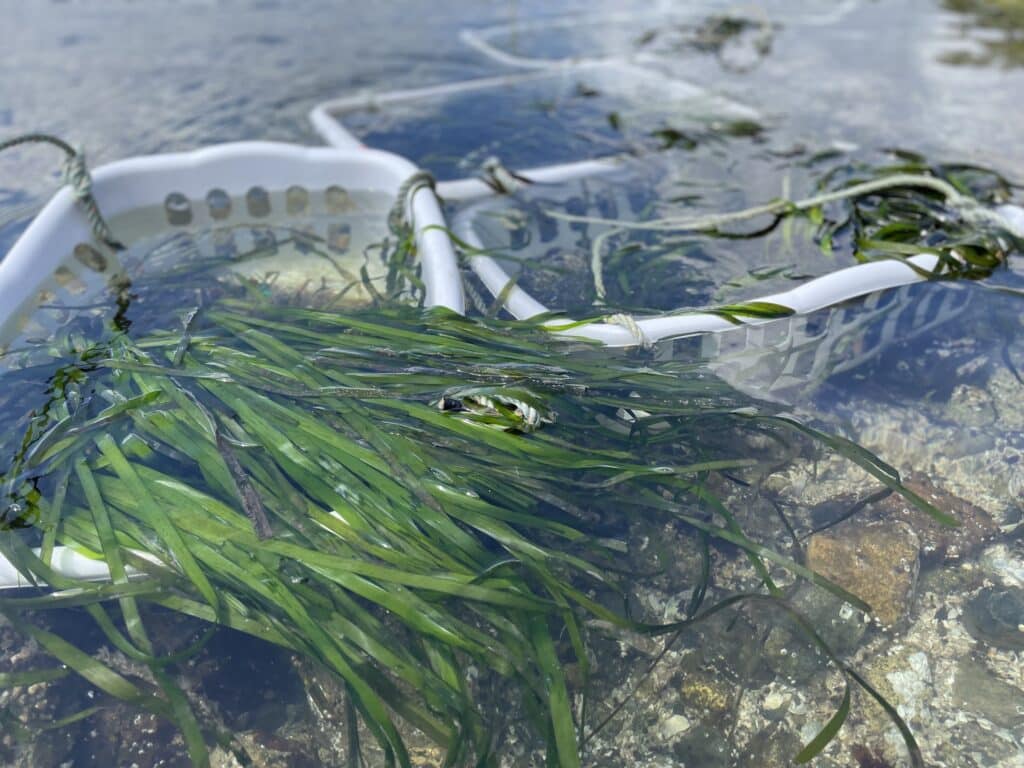
cə́ləm (eelgrass) is a flowering plant that grows in shallow, sheltered areas of the ocean and is important habitat for fish, crabs and other animals. There have been many traditional uses of eelgrass by First Nations, including as food. 

From the tied shoots, divers were able to transplant over 2000 cə́ləm (eelgrass) on the shores near “Cates Landing”, close to Whey-ah-wichen. Through this, we are supporting marine ecosystems to restore habitat, and also helping to buffer waves, stabilize the shoreline, and provide oxygen for the environment.

Soon after, the divers saw lots of horse clams throughout the transplant site, as well as lots of Dungeness crabs and some red rock crabs. So, our community and staff have contributed to immediate habitat improvement!

This restoration work is part of a partnership project by Tsleil-Waututh Nation and SeaChange Marine Conservation Society

See some photos from the on-shore work here:
Latest Articles

After moving away from the Tsleil-Waututh Nation reserve in 2024, Jeffrey Hernandez was looking for an opportunity to reconnect with the lands and waters of his traditional territory through boots-on-the-ground stewardship work.
In her feature for the North Shore News, Michelle George, Deputy Director of Tsleil-Waututh Nation’s Language, Culture, and Protocol Department, reflects on the lasting intergenerational impacts of Residential Schools and the role that language, culture, and community play in healing journeys.
This Orange Shirt Day (National Truth and Reconciliation Day), we are uplifting one another and sharing resources on raising awareness and demonstrating allyship with Indigenous communities.
Chief Justin George has announced his decision to step down as Chief of səlilwətaɬ (Tsleil-Waututh Nation).
A new technical report finds that salmon rely on a diverse network of habitats across xʔəl̓ilwətaʔɬ (the Indian River Watershed), with different habitat types providing important functions at different stages of their life cycle.
Metal artwork featuring an orca by father-daughter artist team Chris Overes, a Tsleil-Waututh Member, and his daughter Tamia Overes was selected by FIFA Canada as gifts for FIFA World Cup 2026™ VVIP (Very Very Important) guests who came to town for the World Cup in Vancouver this past June and July.