Tsleil-Waututh Nation’s xʔəlilwətaʔɬ/Indian River Watershed Integrated Stewardship Plan

Tsleil-Waututh Nation’s xʔəlilwətaʔɬ/Indian River Watershed Integrated Stewardship Plan

News & UpdatesTsleil-Waututh Nation’s xʔəlilwətaʔɬ/Indian River Watershed Integrated Stewardship Plan

Tsleil-Waututh Nation’s xʔəlilwətaʔɬ/Indian River Watershed Integrated Stewardship Plan

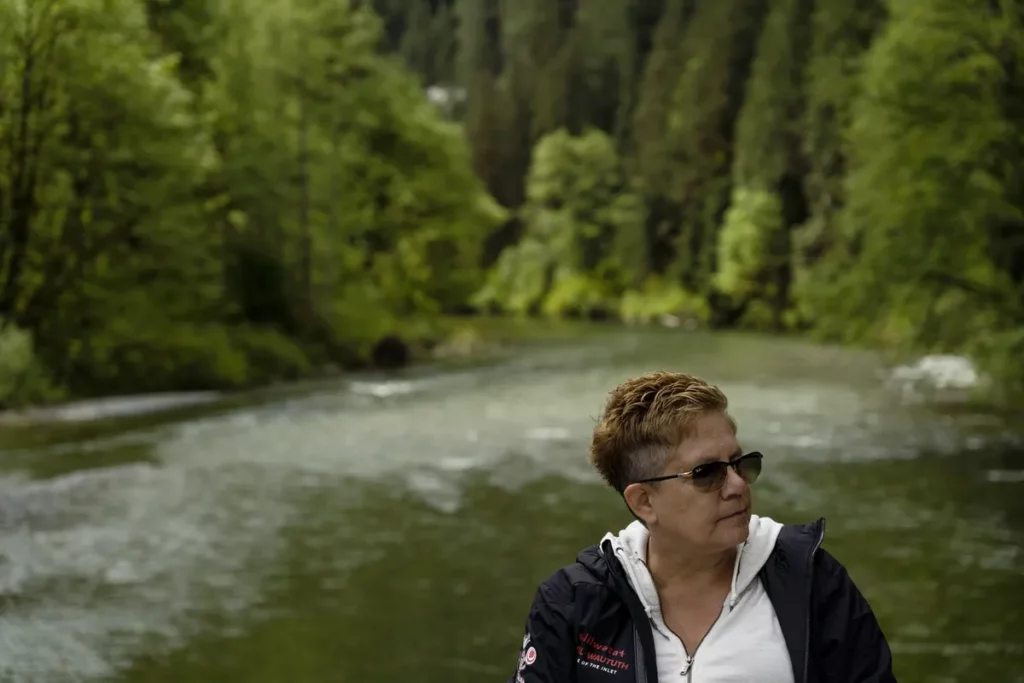
The xʔəl̓ilwətaʔɬ/Indian River Watershed is located approximately 30 kilometres northeast of Vancouver and is the southernmost fjord on the west coast of North America. It is surrounded by the Seymour, Stawamus, Mamquam, Pitt, and Coquitlam Watersheds.

Tsleil-Waututh oral history teaches that the Tsleil-Waututh people have always belonged to, and have accepted responsibility for the care of, the lands and waters within their traditional territory. More recent management by Crown governments has been fragmented, and it has diminished environmental and cultural values.

Seizing the opportunity presented by the Province of British Columbia through the Sea-to-Sky Land and Resource Management Plan process, Tsleil-Waututh proposed a watershed-level planning process for the xʔəl̓ilwətaʔɬ/Indian River Watershed. In December 2005, Tsleil-Waututh and the Province signed a Partnership Agreement for the collaborative development of an Integrated Stewardship Plan. This process was led by Tsleil-Waututh, and it was one of the first collaborations of its kind in the province.

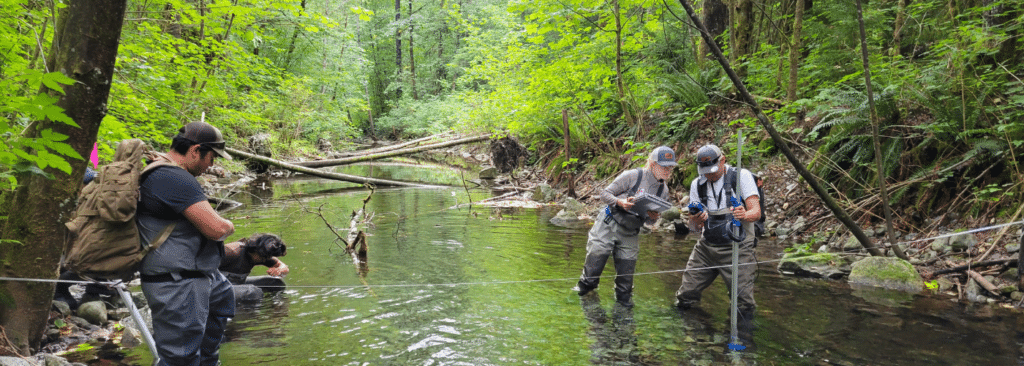
Tsleil-Waututh has been working for decades to reach this agreement. Since 2005 they have reintroduced Roosevelt elk and helped salmon stocks rebound. The changes have had cascading effects: Herring have returned to the inlet, and wolves and cougars returned on the heels of the elk. The work continues today, as the Nation’s environmental crews carefully extract creosote-soaked pylons where log booms were once moored.

Download and read the xʔəl̓ilwətaʔɬ/Indian River Watershed Integrated Stewardship Plan here.

Read the Globe and Mail Article: An urban First Nation reclaims stewardship over vast rainforest on Metro Vancouver’s doorstep – The Globe and Mail
 

Latest Articles

Today, March 3rd, is 100 Days to Go before FIFA World Cup 2026™ is hosted in Vancouver and in our shared, traditional territory. Our səlilwətaɬ elected leaders, Elders, language teachers, soccer players & champions, and our siʔáḿθət School students are excited to show what 100 Days to Go means to them!
Check out the new Stewardship Initiatives Map created by səlilwətaɬ (Tsleil-Waututh Nation)’s Treaty, Lands and Resources Department to summarize previous and ongoing work that contributes to restoring the health of səlilwət (Burrard Inlet).
Congratulations to Tsleil-Waututh artist Ocean Hyland for designing the Vancouver Canucks’ new First Nations Celebration logo. Her beautiful work honours our Tsleil-Waututh Nation’s coastal connection, including the orca, the wolf, the eagle, and the raven.
Alongside leaders from Musqueam Indian Band and Squamish Nation, we were recognized on the Power 50 list for advancing the City of Vancouver’s UNDRIP Action Plan, bringing affordable housing to Vancouver residents through the Attainable Housing Initiative, and shaping the hosting of the 2026 FIFA World Cup in Vancouver.
The səlilwətaɬ (Tsleil-Waututh Nation) Natural Resource Planning Team is excited to announce significant progress on the Whey-ah-Wichen shoreline restoration project. This fall saw the completion of the upland portion of the project. Perhaps the most exciting feature is a new picnic shelter, located between the boat launch and Wally’s Burgers, which features səlilwətaɬ red posts and yellow cedar beams.
BCAA’s Evolve E-Bike Share is expanding services to səlilwətaɬ (Tsleil-Waututh Nation), and by extending service along Dollarton Highway into Parkgate and Deep Cove. The new partnership between səlilwətaɬ and Evolve focuses on improving access to transport for Members within the community and enhancing connections with neighbouring communities.